
Maybe you've counted every calorie, walked every morning, and given up bread for months, only to watch the scale barely move or climb right back up the moment you relaxed. If that's your story, I want to say something before anything else: this is not a character flaw, and you are not lazy.
I say that because I have been on the other side of that kind of comment. When I was 12, an endocrinologist told my mom I was just fat and lazy, and I knew that wasn't the truth. Your symptoms are real. You deserve answers. That is a big part of why I became the practitioner I prayed for.
The old advice to "eat less and move more" treats the body like a simple bank account. Your body is far more complex than that. Hormones, gut bacteria, sleep, stress, medications, chemicals in your home, and even your family history all shape how you store and burn fat. In functional medicine we call this weight loss resistance, and it almost always has more than one cause.
Below are 15 of the most common contributors I look for with patients at Clark Wellness. You'll probably recognize yourself in a few of them. That recognition is where a real plan begins, one built around your body instead of a generic chart.
Metabolism and Diet History
1. Years of dieting and calorie restriction
Calorie math leaves out the most important part of the story: how your body responds hormonally to what you eat. The same number of calories can produce very different insulin responses depending on whether they come from sugar, starch, protein, or fat.
Research backs this up. In a feeding study published in JAMA (Ebbeling et al., 2012), people who had lost weight burned about 325 more calories a day on a very low-carbohydrate diet than on a low-fat diet. And a follow-up study of contestants from The Biggest Loser (Fothergill et al., 2016) found their metabolic rates were still suppressed six years after the show ended. After aggressive weight loss, the body puts several protective mechanisms in place to pull you back toward your previous weight.
This is why crash diets often make the next attempt harder. The better goal is teaching your body to use stored fat as fuel instead of depending on a steady stream of carbohydrates.
2. Leptin resistance
Leptin is a hormone made by your fat cells. When it's working well, it tells your brain, "We have enough stored energy. You can eat less and move more." When you lose fat, leptin drops, and your brain nudges you to eat more and conserve energy.
With leptin resistance, the brain stops hearing that message. You may be carrying extra weight while your brain believes you're starving, so hunger stays high and energy stays low. This is one of the main reasons people regain weight, sometimes more than they lost, after a diet ends.
Common drivers of leptin resistance include chronic inflammation, a diet high in sugar and starch, ongoing stress, hormone imbalance, and poor sleep. The cycle has to be interrupted biochemically, not just with more discipline.
3. Sugar, refined carbohydrates, and insulin
Insulin is your body's storage hormone. After a meal, it acts like a key that unlocks your cells so sugar can move in and be used for energy. When there's more sugar than your cells need, insulin helps store the excess as fat. While insulin is high, your body has a hard time pulling fat back out of storage to burn.
Over time, cells can stop responding to that key, a pattern called insulin resistance. The pancreas makes even more insulin to compensate, and insulin can stay elevated for years before blood sugar ever looks abnormal on a standard lab. Elevated insulin is also inflammatory, which feeds several of the other causes on this list.
Fructose deserves a special mention. It's processed mainly by the liver, and large amounts can push the liver toward making fat. Agave syrup is often marketed as "low glycemic," but it's mostly fructose.
Signs that blood sugar and insulin may be part of your picture include afternoon energy crashes, strong sugar or carb cravings, weight gathered around the midsection, thinning hair in women, and PCOS.
Helpful first steps include eating protein and healthy fat at every meal, not skipping breakfast, reducing refined carbohydrates until cravings settle, and choosing sweeteners like whole-leaf stevia or monk fruit that don't spike insulin.
Your Gut and the Food Supply
4. Digestive disorders and bloating
Many digestive conditions cause bloating that can expand the belly dramatically, sometimes by what feels like several pounds, even before any true fat gain. Gut problems also drive inflammation, which can create both temporary and lasting weight gain. A few digestive disorders cause weight loss, but most push weight in the other direction. If bloating is a big part of your story, I also wrote Why Do I Feel Bloated? Causes and Next Steps.
5. Antibiotics and your gut microbiome
Antibiotics have long been added to animal feed partly because they help young animals gain weight. Those same exposures reach us through the food supply, on top of the antibiotics many of us have taken over the years. Research also links antibiotic use during pregnancy with a higher risk of childhood obesity.
Antibiotics change the balance of bacteria in your gut, and studies consistently find different microbial patterns in people with obesity compared with those without. Some strains may be lost for good. Store-bought probiotics can be helpful, but they generally don't permanently repopulate your own resident bacteria, so rebuilding gut health takes a broader approach that includes food, stomach acid support, and healing the gut lining.
6. The modern food supply
Our food has changed faster than our bodies have. Ultra-processed ingredients, pesticide residues, depleted soils, and farming practices built for volume rather than nutrition all shape what ends up on your plate. Much of what's sold as "food" is engineered to be eaten quickly and in large amounts, which works against the signals your body uses to tell you you've had enough.
Hormones and Medications
7. Thyroid dysfunction
Your thyroid sets the pace of your metabolism, and an underactive thyroid is a well-known cause of weight gain. What many people don't realize is that a normal TSH doesn't always tell the whole story. Your body has to convert the storage hormone T4 into the active hormone T3, and much of that conversion happens in the liver and gut. When blood levels of T3 drop even modestly, tissue levels can fall much further.
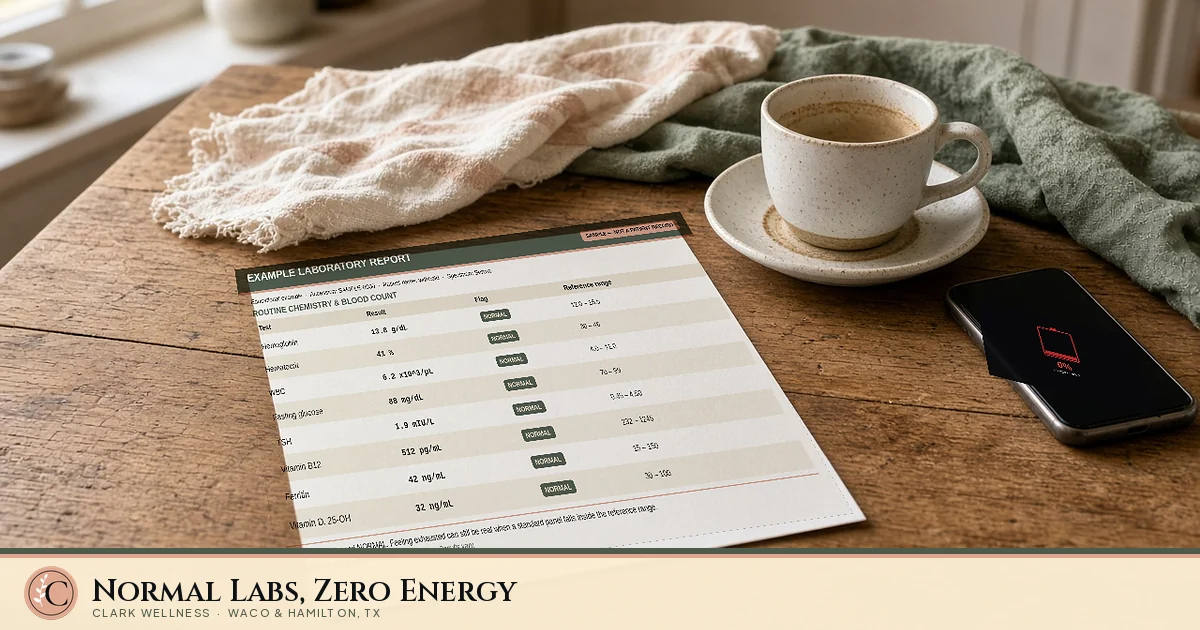
This is one of the first things I look at with my patients, because a TSH test alone can miss what's going on. Things that interfere with thyroid function or conversion include high cortisol, high estrogen, low selenium, iodine, zinc, iron, or vitamin A, exposure to bromide and fluoride, liver sluggishness, gut inflammation, chronic stress, and repeated dieting. A full thyroid panel (TSH, free T4, free T3, reverse T3, and thyroid antibodies) gives a much clearer picture. I wrote more about what a "normal" result can miss in Normal Labs, Zero Energy.
8. Estrogen dominance
"Estrogen dominance" really describes an imbalance between estrogen and progesterone, and more broadly a strain on the whole hormone system. Common signs include weight gain at the belly or hips, bloating, PMS, irregular cycles, breast tenderness, headaches, mood swings, anxiety, brain fog, insomnia, hair loss, low libido, and cold hands and feet.
Typical contributors are a diet high in refined carbohydrates and low in fiber and healthy fat, chronic stress, a sluggish liver that can't clear estrogen efficiently, estrogen-like chemicals in the environment, and higher body fat (fat tissue itself produces estrogen). Simply adding progesterone isn't the right answer for most women. It's better to test first and support the body's own ability to process estrogen.
9. Medications that affect weight
Some of the most common prescriptions are associated with weight gain, including certain antidepressants and antipsychotics, beta blockers, hormonal birth control, and steroids like prednisone. Some medications also deplete nutrients your metabolism relies on.
Please don't stop or change any medication on your own. If you suspect a prescription is affecting your weight, bring it up with the prescriber who knows your full history. There are often alternatives or supportive steps worth discussing.
Your Environment
10. Chemicals that disrupt your hormones
Some man-made chemicals, sometimes called "obesogens," interfere with hormones like insulin, thyroid, estrogen, and leptin, even in very small amounts. Examples include BPA (found in can linings, plastic packaging, and receipt paper), phthalates (in fragranced personal care products, soft plastics, and some packaging), and persistent organic pollutants like certain pesticides and flame retardants. Higher levels of these pollutants have been strongly associated with insulin resistance.
Cutting back on these exposures isn't being picky. It's being wise. Good starting points:
- •Store and reheat food in glass, and skip microwaving in plastic
- •Cook with stainless steel, ceramic, glass, or cast iron instead of nonstick
- •Drink from glass or stainless steel bottles
- •Choose organic meats and fats when you can, since many toxins are stored in fat
- •Wash produce well and buy organic when the budget allows
- •Swap fragranced personal care and cleaning products for cleaner options over time
Stress, Sleep, and Your Story
11. Chronic stress
Stress raises blood sugar, which raises insulin. It also interferes with thyroid function, contributes to leaky gut and food sensitivities, and disrupts the brain's hormone control center. One principle I share with nearly every patient: your body releases weight most easily when it feels safe. A body that believes it's under constant threat will hold on to its reserves.
12. Sleep
In my practice, I ask about sleep along with stress, hormones, and blood sugar, because they so often travel together. Too little sleep, going to bed very late, and conditions like sleep apnea all affect weight. Sleep is when your body repairs, balances hunger hormones, and resets insulin sensitivity. Both how long you sleep and when you sleep matter.
13. Trauma
Trauma lives in the body, not just in memory. It can show up as constant muscle tension, a racing heart, poor sleep, elevated cortisol, and a nervous system that stays on high alert. For some people, especially survivors of abuse, carrying extra weight has served as a form of protection, even without conscious intent. That deserves compassion, not criticism. Healing here often includes trauma-informed counseling alongside physical care.
Inflammation and Your Genes
14. Chronic inflammation
Inflammation and excess weight feed each other. Elevated insulin drives the production of inflammatory messengers, and fat tissue itself can become inflamed as immune cells respond to overloaded fat cells. This low-grade inflammation makes weight harder to lose and is also linked with heart disease, diabetes, joint pain, autoimmune conditions, and cognitive decline. We can often see it in blood markers like hs-CRP and in waist measurement.
15. Genetics and epigenetics
Genes do influence body weight, and some estimates put that influence anywhere from about 20% to 70%. Small genetic variations can affect appetite, fullness, how you process fat, and how you burn energy.
But genes aren't destiny. Epigenetics describes how diet, stress, toxins, and even your mother's nutrition during pregnancy switch genes on or off, like a light switch, without changing the genes themselves. You can't change the genes you inherited, but you have real influence over how many of them are expressed.
How Functional Medicine Approaches Weight Loss Resistance
Most of the 15 causes above overlap and reinforce one another. That's why a single diet, pill, or workout plan rarely solves the whole problem. In functional medicine, the goal is to find which contributors are most active in your body and address them in the right order.
What I look at with my patients at Clark Wellness often starts with a detailed history and labs that go beyond a standard physical, such as:
- •Fasting insulin, fasting glucose, and hemoglobin A1C
- •A full thyroid panel with free T3, reverse T3, and antibodies
- •Sex hormones and cortisol patterns
- •Inflammation markers like hs-CRP
- •Nutrient levels including vitamin D, iron, and magnesium
- •Gut testing when digestive symptoms are part of the picture
- •An environmental exposure assessment
From there, we build a plan around food, targeted supplementation, gut and liver support, sleep, stress, and hormone balance, adjusted as your body responds.
Five Places to Start This Week
If you want something practical to try now, here is where I often start:
- 1Eat protein and healthy fat at breakfast instead of starting the day with cereal, toast, or a sweet coffee drink.
- 2Swap one plastic habit for glass, such as how you store leftovers or what you drink from.
- 3Take a 10-minute walk after your largest meal to help your muscles use blood sugar.
- 4Set a consistent bedtime and protect it for the next seven nights.
- 5Write down your medications and supplements and bring the list to your next appointment for review.
Frequently Asked Questions
Why am I gaining weight when I barely eat?
Long-term under-eating can slow your metabolism and lower leptin, which makes your body conserve energy and increase hunger. Insulin resistance, thyroid conversion issues, stress, and poor sleep can also cause weight gain even when calories are low.
Can thyroid problems cause weight gain even if my labs are "normal"?
Sometimes. A TSH test alone may miss problems converting T4 into active T3. A full thyroid panel, interpreted alongside your symptoms, often gives a more complete picture.
Does stress really cause belly fat?
Chronic stress raises cortisol and blood sugar, which increases insulin. That combination encourages fat storage, particularly around the midsection.
Is there functional medicine weight loss help near Waco, Texas?
Yes. Clark Wellness offers functional medicine care in Waco and Hamilton, Texas, plus telehealth across the state. Angelica Clark, PA-C, FMCP-M, is a certified functional medicine practitioner.
Find Your Root Causes
If several of these sounded familiar, you don't have to sort it out alone. Take our free Root Cause quiz to see which systems may be contributing most to your symptoms, then schedule a Discovery Call to talk about next steps.
Education only; not medical advice. This content is not intended to diagnose, treat, cure, or prevent any disease. Please consult your healthcare provider before making changes to your medications, diet, or supplements. Not medical advice. Results vary.
Sources
Not medical advice. Results vary.
Want to talk this through?
Book a free discovery call with Angelica Clark, PA-C, FMCP-M, or take the free Root Cause quiz to get a clearer picture of what may be driving how you feel.